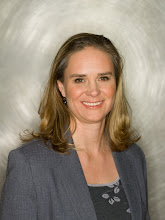
This Program for Women who:
-Are concerned about how pre-diabetes,diabetes and obesity is effecting their lives.
- Feel trapped by their ever present focus on food.
-Are ready to focus on being physically, emotionally, and mentally healthy.
-Want to learn the difference between physical food cravings vs. emotional food cravings.
-Are tired of quick weight loss programs that lead to quick weight gain and more.
Dr. Kristen Allott and Amy Condon will co-lead a weekly group. Each month, the group will include two sessions specifically focused on the emotional causes of sugar cravings and two sessions examining the physical causes of sugar cravings. The groups are intended provide tools and support for self-care on both the physical and emotional level.
Time: Four Tuesday nights each month from 6-8pm beginning September 22nd. Six month commitment is required.
Cost: $500 per month or 10% discount if paid in full by the first group.
Seating is limited to 8 women, applications are currently being accepted.
For more information, please call Dr. Kristen Allott at 206-579-2757
or see www.dynamicpaths.com
The goal of this group is to assist members in improving their relationship with food, their body, and themselves, and make compassionate changes that support health and well-being.
Thursday, August 06, 2009
Thursday, April 16, 2009
Recipe: Berry Compote
½-1 cup of frozen organic or low pesticide raspberries or blueberries
1 tsp almond extract
1 tsp vanilla extract
1-2 TBS of real maple syrup or honey
½ cup of almond flour* or slivered almonds*, passed through a blender/coffee grinder (*I recommend purchasing from Trader Joe’s)
Microwave the berries for about one minute until warm. Mix the rest of the ingredient in to taste.
Variations:
1 tsp almond extract
1 tsp vanilla extract
1-2 TBS of real maple syrup or honey
½ cup of almond flour* or slivered almonds*, passed through a blender/coffee grinder (*I recommend purchasing from Trader Joe’s)
Microwave the berries for about one minute until warm. Mix the rest of the ingredient in to taste.
Variations:
- Eat as is
- Eat with high protein Greek yogurt
- Use on pancakes and French toast, instead of syrup
- Mix with protein powder


Diet Soda Hurts More Than It Helps
During my “How Food Affects Mood” lectures, people often ask for my opinion of artificial sweeteners. My reply has been, “I am a naturopath, I am skeptical of anything that did not exist 500 years ago.” Now, with the results of a long term study sponsored by the National Heart Lung and Blood Institute, my doubts are confirmed. The study shows that artificial sweeteners cause the very things—obesity and diabetes—that people are trying to prevent by using sugar substitutes.
The Multi-Ethnic Study of Atherosclerosis (MESA) looked at the affects of daily consumption of diet soda, among other factors, on the health of over 6,000 study participants. The study found that the relative risk of type 2 diabetes increased 67% and the risk of metabolic syndrome increased 36% in people who drink diet soda on a daily basis. Type 2 diabetes is caused by an excessive level of glucose in the blood stream due to insulin resistance. Metabolic syndrome is a combination of health concerns that many Americans struggle with, including type 2 diabetes, obesity and hypertension (high blood pressure).
So why would something with no sugar, like diet soda, cause weight gain and glucose regulation problems? To find the answer, let’s first look at what happens when you drink a glass of freshly made lemonade (½ lemon, 2 tsp white sugar and 12 oz. water). The sucrose (white sugar) is converted into glucose and enters the blood stream. Insulin is released by the pancreas when the taste buds sense sweetness on the tongue. Iinsulin’s job is to open the glucose gates on cell membranes so the glucose can enter cells and then be burned as fuel. This is how the body naturally processes sugar.
Now, let’s look at what happens when you drink a diet soda. The taste buds register that you are consuming something really sweet and the pancreas releases insulin expecting glucose to arrive shortly in the blood stream. The insulin starts unlocking the gates to let fuel into cells but there is no renewed fuel supply because there is no sugar in the soda. The cells absorb the limited supply of glucose in your blood stream left over from you last meal, causing a critical deficit. Typically when the level of glucose in the blood stream gets dangerously low, the body has over ten hormones that mobilize glucose to fuel the brain. However, the diet soda has triggered the release of all that insulin, which turns off the mobilizing hormones and causes the body’s glucose regulation system to fail. Long term exposure to these insulin spikes from artificial sweeteners in diet soda causes the body’s muscle cells to ignore insulin prompting and put up a big “Closed for Business” sign or causing insulin resistance. Once the body’s natural process has broken down like this, the glucose rejected by the muscles is absorbed by adipose tissue (fat cells) and the rest accumulates in the blood stream, causing obesity and insulin resistant type 2 diabetes.
Another problem caused by artificial sweeteners is that when insulin is released to clear calories from the blood stream and there are no calories, the body begins burning muscle mass as fuel to keep glucose feeding the brain. Losing muscle mass through this process increases health risks since muscle mass is what consumes calories and helps prevent diabetes and obesity. Additionally, our brain and body with the low fuel supplies will say “Feed me, feed me”. Often setting up the likelihood to binge on sweets later in the day or the next day. The calories in the binge will be a lot higher than in the lemonade.
The ingredients of diet soda, particularly caffeine and amino acids, for a few hours will help improve the symptoms of fatigue and depression. However, long term the same metabolic processes which cause obesity and diabetes will also cause depression and fatigue.
Take home message: Artificial sweeteners don’t delivery! To help keep your body functioning properly, avoid unnatural alternatives. Eat real food and if you are going to have sugary treat have it in small amounts and stop and really enjoy it.
The Multi-Ethnic Study of Atherosclerosis (MESA) looked at the affects of daily consumption of diet soda, among other factors, on the health of over 6,000 study participants. The study found that the relative risk of type 2 diabetes increased 67% and the risk of metabolic syndrome increased 36% in people who drink diet soda on a daily basis. Type 2 diabetes is caused by an excessive level of glucose in the blood stream due to insulin resistance. Metabolic syndrome is a combination of health concerns that many Americans struggle with, including type 2 diabetes, obesity and hypertension (high blood pressure).
So why would something with no sugar, like diet soda, cause weight gain and glucose regulation problems? To find the answer, let’s first look at what happens when you drink a glass of freshly made lemonade (½ lemon, 2 tsp white sugar and 12 oz. water). The sucrose (white sugar) is converted into glucose and enters the blood stream. Insulin is released by the pancreas when the taste buds sense sweetness on the tongue. Iinsulin’s job is to open the glucose gates on cell membranes so the glucose can enter cells and then be burned as fuel. This is how the body naturally processes sugar.
Now, let’s look at what happens when you drink a diet soda. The taste buds register that you are consuming something really sweet and the pancreas releases insulin expecting glucose to arrive shortly in the blood stream. The insulin starts unlocking the gates to let fuel into cells but there is no renewed fuel supply because there is no sugar in the soda. The cells absorb the limited supply of glucose in your blood stream left over from you last meal, causing a critical deficit. Typically when the level of glucose in the blood stream gets dangerously low, the body has over ten hormones that mobilize glucose to fuel the brain. However, the diet soda has triggered the release of all that insulin, which turns off the mobilizing hormones and causes the body’s glucose regulation system to fail. Long term exposure to these insulin spikes from artificial sweeteners in diet soda causes the body’s muscle cells to ignore insulin prompting and put up a big “Closed for Business” sign or causing insulin resistance. Once the body’s natural process has broken down like this, the glucose rejected by the muscles is absorbed by adipose tissue (fat cells) and the rest accumulates in the blood stream, causing obesity and insulin resistant type 2 diabetes.
Another problem caused by artificial sweeteners is that when insulin is released to clear calories from the blood stream and there are no calories, the body begins burning muscle mass as fuel to keep glucose feeding the brain. Losing muscle mass through this process increases health risks since muscle mass is what consumes calories and helps prevent diabetes and obesity. Additionally, our brain and body with the low fuel supplies will say “Feed me, feed me”. Often setting up the likelihood to binge on sweets later in the day or the next day. The calories in the binge will be a lot higher than in the lemonade.
The ingredients of diet soda, particularly caffeine and amino acids, for a few hours will help improve the symptoms of fatigue and depression. However, long term the same metabolic processes which cause obesity and diabetes will also cause depression and fatigue.
Take home message: Artificial sweeteners don’t delivery! To help keep your body functioning properly, avoid unnatural alternatives. Eat real food and if you are going to have sugary treat have it in small amounts and stop and really enjoy it.
Seminar on Food and Mood in September
Seminar Day Long Seminar for Everyone on Food and Mood!
Nutritional & Complementary Treatment for Mental Health Disorders:
Non-Pharmaceutical Strategies that Work
Friday September 11, 2009 Lynnwood, WA
Wednesday September 16, 2009 in Tacoma, WA
Thursday September 17, 2009 in Seattle, WA
To learn more about these seminars and register at http://www.pesi.com/ or
Dynamic Paths (206)579-2757
Nutritional & Complementary Treatment for Mental Health Disorders:
Non-Pharmaceutical Strategies that Work
Friday September 11, 2009 Lynnwood, WA
Wednesday September 16, 2009 in Tacoma, WA
Thursday September 17, 2009 in Seattle, WA
To learn more about these seminars and register at http://www.pesi.com/ or
Dynamic Paths (206)579-2757
Tuesday, September 16, 2008
Sugar Addiction to Natural Eating - SANE
A program treating overeating Eating Disorders and sugar Addictions
This Program for Women who:
· have a life-time history of obesity.
· tired quick weight loss programs followed by quick weight gain program, plus more.
· are ready to focus on being physically, emotional, and mentally healthy.
· want to learn the difference between physical food cravings vs emotional food cravings.
· are meeting weekly with a mental health professional.
Building a Base for Health
The first group of the month will be educational, focusing on the how food affects mood, how to increase metabolism, how to set up a sustainable food and exercise program that works and is enjoyable in your life.
The second group of the month will be working on integration of the mind and body using the principles of mindfulness, movement meditation and positive neuroplasticity.
Cost: $110 per session
Date: 2nd and 4th Wednesdays of the month, a six month commitment is needed.
Time: 6-8 pm
Cost: $110 per session
Seating is limited to 6-8 people, applications will be start being accepted.
For more information, please call Dr. Kristen Allott 206-579-2757
Be proactive—promote your overall wellness!
This group is to assist people in improving their relationship with food, their body, and themselves by learning to listen to their bodies and themselves.
This Program for Women who:
· have a life-time history of obesity.
· tired quick weight loss programs followed by quick weight gain program, plus more.
· are ready to focus on being physically, emotional, and mentally healthy.
· want to learn the difference between physical food cravings vs emotional food cravings.
· are meeting weekly with a mental health professional.
Building a Base for Health
The first group of the month will be educational, focusing on the how food affects mood, how to increase metabolism, how to set up a sustainable food and exercise program that works and is enjoyable in your life.
The second group of the month will be working on integration of the mind and body using the principles of mindfulness, movement meditation and positive neuroplasticity.
Cost: $110 per session
Date: 2nd and 4th Wednesdays of the month, a six month commitment is needed.
Time: 6-8 pm
Cost: $110 per session
Seating is limited to 6-8 people, applications will be start being accepted.
For more information, please call Dr. Kristen Allott 206-579-2757
Be proactive—promote your overall wellness!
This group is to assist people in improving their relationship with food, their body, and themselves by learning to listen to their bodies and themselves.
Tuesday, June 03, 2008
Seminar: Treating Depression and Anxiety with Food
Nutritional & Complementary Treatment for Mental Health Disorders: Non-Pharmaceutical Strategies that Work! Seminar
This seminar is for mental health professionals and
individuals trying to improve their overall health.
When: Yakima, Friday, August 15, 2008 at 8 a.m. to 4 p.m.
Tacoma, Thursday, August 21, 2008 at 8 a.m. to 4 p.m.
Seattle Friday, August 22, 2008 at 8 a.m. to 4 p.m.
What will be covered:
· How food affects mood
· Screening and assessment of nutritional deficiencies for anxiety and depression
· Tools and handouts to treating anxiety and depression
“I have personally worked with hundreds
of speakers across the country and Kristen
is at the top of the list when it comes
to performance, professionalism, knowledge
and charm and this is reflected in
stellar audience reviews. Kristen connects
with learners instantly and is able to cut
through the expanse of information to
provide the specific content that can
change people’s lives.”
—Michael Olson, M.S.
Senior Project Manager
PESI, LLC
Sign up today at www.pesi.com
This seminar is for mental health professionals and
individuals trying to improve their overall health.
When: Yakima, Friday, August 15, 2008 at 8 a.m. to 4 p.m.
Tacoma, Thursday, August 21, 2008 at 8 a.m. to 4 p.m.
Seattle Friday, August 22, 2008 at 8 a.m. to 4 p.m.
What will be covered:
· How food affects mood
· Screening and assessment of nutritional deficiencies for anxiety and depression
· Tools and handouts to treating anxiety and depression
“I have personally worked with hundreds
of speakers across the country and Kristen
is at the top of the list when it comes
to performance, professionalism, knowledge
and charm and this is reflected in
stellar audience reviews. Kristen connects
with learners instantly and is able to cut
through the expanse of information to
provide the specific content that can
change people’s lives.”
—Michael Olson, M.S.
Senior Project Manager
PESI, LLC
Sign up today at www.pesi.com
Wednesday, March 12, 2008
Nourish Your Body, Transform Your Life
Nourish Your Body, Transform Your Life
Educational Support Group Series
- Have you ever wondered how food affects your mood?
- Are you frustrated with how hard it is to change eating habits?
- Are you concerned that food advertising is not promoting good health?
- Tired of craving sugar and carbohydrates?
- Tired of not caring through with diet changes?
Group meets: Thursdays, 6-8 pm
April 17: Introduction: How to have more energy and mental clarity-FREE
May 8: Spring into Action: Understanding cravings for sugar and carbs
June 5: The Path of Change: How to rewire your brain
June 26: Food Labels: Understanding what you are eating
July 10: Transform Your Approach: Making friends with your saboteur
Cost: $280 total for all 4 groups, if paid in full by April 24th.
$340 total for all 4 groups, if paid after April 24th.
Seating is limited.
Call or email to RSVP for the free class on April 17th: 206-579-2757
For directions and registration see below.
Be proactive—promote your overall wellness!
This group is to assist people in improving their relationship with food, their body, and themselves by learning to listen to their bodies and themselves.
Process for Registration for Nourish Your Body
- RSVP by phone (206-579-2757) or email (
Free April 17: Introduction: How to have more energy and mental clarity
- If you choose to attend, you will be able to registrar on April 17th or can mail in a check for the appropriate amount with your name, address, email and phone number. Be sure to mail the registration to the mailing address not the address of the group.
Mail-in check for appropriate amount
Cost: $280 total for all 4 groups, if paid in full by April 24th.
$340 total for all 4 groups, if paid after April 24th.
Seating is limited.
The mailing address is:
Dynamic Paths
PMB 6604
10002 Aurora Ave N # 36
Seattle, WA 98133
- The location of the group is:
Elements Hall
BodySong Healing and Arts Center943 North 89th St.Seattle, WA 98103
From I-5 (North or South): Take the 85th St. exit. Follow exit West, past two lights (crossing Wallingford and Aurora/Hwy. 99). Take next Right, onto Linden Ave., heading North. Drive four blocks, turn right onto 89th St. BodySong is on the South side of the street, with a brown fence. Street parking only, please.
From Aurora/Hwy. 99 (Southbound): Turn Right onto 85th St. Take the next Right, onto Linden Ave., heading North. Drive four blocks, turn Right onto 89th St. BodySong is on the South side of the street, with a brown fence. Street parking only, please.
From Aurora/Hwy. 99 (Northbound): Turn Left onto 90th St. Take next Left, onto Linden Ave., heading South. Drive one block, turn Left onto 89th St. BodySong is on the South side of the street, with a brown fence. Street parking only, please.
Any questions please contact Dr. Kristen Allott:
Phone: 206-579-2757
Email: allott@dynamicpaths.com
Thursday, January 10, 2008
Testimonial for Wellness In Action
As the Director of A Positive Alternative, I wanted to include a quick note about the huge positive impact that Dr. Kristen Allott has had upon our clients at A Positive Alternative. We are still the only gender-specific, non-12 step oriented alcohol and drug treatment program in the region.
Dr. Allott has been working with our clients for over a year, providing nutritional, lifestyle and wellness guidance. This has all been for the purpose of assisting clients in gaining greater awareness of their bodies, helping clients to understand the impact that food and activity have on increasing the sense of well-being that we believe is extremely necessary for people making the transition from addictive use of alcohol and substances into an alcohol and drug-free life.
Feedback from clients has consistently confirmed that her methods are critically useful. We are very fortunate that Dr. Allott has continued to be willing to offer her workshops to our clients on an ongoing basis.
Dr. Allott is the first Naturopath we refer to when a client has a need for a personal physician – especially in the areas of emotions, difficulty with withdrawal, a need for depression or anxiety to be addressed, as well as for those who would like to begin a safe process of transitioning from using standard antidepressants to a more natural approach.
Having known Dr. Allott for over 5 years, gives our entire staff a confidence in her methods, her scientific and research orientation, her personal commitment to wellness for all, and her compassion for our clients.
In addition, I have personally attended her workshop for professionals, which includes her great width of knowledge that is made extremely accessible for mental health care professionals to pass on to their clients. Her handouts, lectures and question and answer format make her an amazingly wonderful gem in the realm of empowerment both of the clinician and their clients. I would HIGHLY recommend her upcoming workshop.
Catherine Trestrail ACSW,MSW, CDP
Founder and Director of A Positive Alternative (since 1990)
www.apositivealternative.com
Dr. Allott has been working with our clients for over a year, providing nutritional, lifestyle and wellness guidance. This has all been for the purpose of assisting clients in gaining greater awareness of their bodies, helping clients to understand the impact that food and activity have on increasing the sense of well-being that we believe is extremely necessary for people making the transition from addictive use of alcohol and substances into an alcohol and drug-free life.
Feedback from clients has consistently confirmed that her methods are critically useful. We are very fortunate that Dr. Allott has continued to be willing to offer her workshops to our clients on an ongoing basis.
Dr. Allott is the first Naturopath we refer to when a client has a need for a personal physician – especially in the areas of emotions, difficulty with withdrawal, a need for depression or anxiety to be addressed, as well as for those who would like to begin a safe process of transitioning from using standard antidepressants to a more natural approach.
Having known Dr. Allott for over 5 years, gives our entire staff a confidence in her methods, her scientific and research orientation, her personal commitment to wellness for all, and her compassion for our clients.
In addition, I have personally attended her workshop for professionals, which includes her great width of knowledge that is made extremely accessible for mental health care professionals to pass on to their clients. Her handouts, lectures and question and answer format make her an amazingly wonderful gem in the realm of empowerment both of the clinician and their clients. I would HIGHLY recommend her upcoming workshop.
Catherine Trestrail ACSW,MSW, CDP
Founder and Director of A Positive Alternative (since 1990)
www.apositivealternative.com
Tuesday, December 11, 2007
Wellness in Action Series
The Wellness in Action Series is for mental health professionals and other providers who have clients whose diet is impacting their mental and physical well-being. Often an individual’s emotional history and lack of understanding of her physical body’s needs contribute to her food choices. The series will give you the tools to help your current clients make healthier moment to moment choices and help you market to a new clients.
By providing your clients the resources to have a better
relationship with their body,
you are empowering them to have a better
relationship with themselves.
Benefits:
· Receive support on presenting diet change information to clients.
· Learn techniques that help your clients dialog with their bodies better about dietary causes of anxiety, depression, sugar addition and weight gain.
· Receive handout and the opportunity to roll play and practice in a supportive environment.
Fats: fire starters, fire fighters
Friday February 15, 2008 9am to noon
Learn how to explain the importance of good fats as part of well-balanced nutrition and which bad fats need to be limited. Learn how the type of fats in a diet contribute to depression, aggression, bipolar disorders2, obesity and chronic diseases such as diabetes, and cardiovascular disease.
Presenting protein: if you can teach it, you can own it
Friday March 14, 2008 9am to noon
During the first part of this group, you will receive detailed handouts and scripts to help enter into dialogue with clients. After we discuss the impact protein can make on improving health, you will have the opportunity to explain the importance of protein for maintaining energy and mental clarity as well as preventing anxiety and depression.
Encouraging exercise: changing self-image
Friday April 11, 2008 9am to noon
Learn how to encourage reluctant clients to exercise and appreciate the qualities of self-curiosity, self-observation, and self-compassion. When exercise is integrated into the values systems of the individual it becomes a, integral part of the client’s life.
Cost for the Series:
$240 for all three parts when received before Jan 25th
$270 for all three parts when received after Jan 25th, Deadline Feb 8th.
Limited to 12 people
· Receive support on presenting diet change information to clients.
· Learn techniques that help your clients dialog with their bodies better about dietary causes of anxiety, depression, sugar addition and weight gain.
· Receive handout and the opportunity to roll play and practice in a supportive environment.
Fats: fire starters, fire fighters
Friday February 15, 2008 9am to noon
Learn how to explain the importance of good fats as part of well-balanced nutrition and which bad fats need to be limited. Learn how the type of fats in a diet contribute to depression, aggression, bipolar disorders2, obesity and chronic diseases such as diabetes, and cardiovascular disease.
Presenting protein: if you can teach it, you can own it
Friday March 14, 2008 9am to noon
During the first part of this group, you will receive detailed handouts and scripts to help enter into dialogue with clients. After we discuss the impact protein can make on improving health, you will have the opportunity to explain the importance of protein for maintaining energy and mental clarity as well as preventing anxiety and depression.
Encouraging exercise: changing self-image
Friday April 11, 2008 9am to noon
Learn how to encourage reluctant clients to exercise and appreciate the qualities of self-curiosity, self-observation, and self-compassion. When exercise is integrated into the values systems of the individual it becomes a, integral part of the client’s life.
Cost for the Series:
$240 for all three parts when received before Jan 25th
$270 for all three parts when received after Jan 25th, Deadline Feb 8th.
Limited to 12 people
For Applications click: http://docs.google.com/Doc?id=dcnhgs2r_0cbcvn7fm
Question? Please call Dr. Kristen Allott at (206)579-2757
or visit www.dynamicpaths.com
Dr. Allott is developing a year-long training program and is seeking continuing education credits. This series is in development, does not provide CE credits.
Tuesday, September 25, 2007
How to Rebuild You Brain Group
I have long believed that as medical science has not been asking what the brain needs in terms of nutrition to function. To better educated the clients of Dynamic Paths, I am excited to announce that I am now offering a group for established clients at Dynamic Paths. This group will focus on providing more information than can be offered in individual sessions. After offering a Wellness Group at A Positive Alternative (www.apositivealternative.com) for the last year, I can see the benefits of individuals learning more about how proteins, sugars and fats affect their energy and mental clarity. With this information, I see that people can better moment to moment decisions on eating because they are better to understand and integrate what their body and emotions are telling them.
I am so committed to people getting this information that if you attend six of the ten sessions offered. I will offer you a free 45 minute individual session.
I am so committed to people getting this information that if you attend six of the ten sessions offered. I will offer you a free 45 minute individual session.
Rebuilding your Brain by listening to your Body Wellness Group
Wednesdays from 6 to 8 pm
$80 per Group
Must Reserve a seat by Monday before Group
Oct 10th: Discussion on the philosophy of Chinese Medicine. Suggested reading Five Spirits by Lorie Eve Dechar.
Oct. 24th: More Energy and More Mental Clarity: Why when you eat is as important and what you eat.
Oct. 31st: Labels: How to know what you are eating.
Nov 7th: Dialoging with the Committing: Getting the Critic out of the CEO seat.
Nov 14th: Planning for holiday eating and stress.
Dec 5th: Sugars: Not all sugars are created equally.
Dec 12th: Diet for Lowering Cholesterol: What fats to keep.
Jan 2nd: Making New Year’s Resolutions continue through out the year.
Jan 9th: Fats: Promoting Health Promoting Disease.
Jan 16th: Olympic Athlete Syndrome
Tuesday, September 11, 2007
Addiction Free without AA
Have you been looking for Outpatient Treatment for Alcohol or Drug use that is not based on AA or the 12-steps as the basis of Recovery?
Have you had mixed feelings about seeking treatment, partly because you still are very high functioning in many areas of your life, despite your drinking or use? (The majority of our clients are quite high functioning).
Would you like to be part of a program with small groups (no more than 8) that focuses on skills for not only getting free of addiction, and addresses other psychological issues that are intertwined with drinking/drugs?
Would you prefer a program that focuses on Therapy vs. court orders to treatment because of DUI’s and group members who are just marking time? (We carefully screen our clients in order to have a supportive, positive group experience for everyone.)
A Positive Alternative is a Radically Different Approach to Alcohol & Drug Treatment – the only one of it’s kind in our Region. Here are just a few of the ways We Are Different:
1) All our Therapists are Master’s Level Trained Clinicians with decades of both Addictions AND Mental Health experience.
2) We believe that Groups need to consist of members who can easily identify with each other. Our Adult Groups are Gender Specific with separate Women’s Outpatient Program and Men’s Outpatient Program. In addition, our College Student’s Program to Prevent Addiction works to change addictive patterns, yet does not insist upon abstinence as a lifelong pattern.
3) We incorporate the latest research in addiction therapy into our programs, including Motivational Enhancement, Cognitive Therapy, including Coping, Habit Change, Relationship and Self-Care Skills training, Mindfulness Meditation, Nutrition and Physical methods that effect well-being and brain recovery.
If you would like more information, please see our website at www.APositiveAlternative.com or call 206-547-1955
Thursday, August 23, 2007
Alternative Healthcare for Low-income & Homeless People
AHAC, Alternative Healthcare Access Campaign, was initially formed in August 1999 by a small group of students and homeless advocates, who were concerned that the benefits of alternative healthcare were becoming exclusively available to the wealthier segments of society. Previously, the Sound Clinic provided full service alternative and conventional healthcare to the downtown Seattle community until its closure in 1997, which created a void in accessible alternative healthcare for low-income & homeless people.
In 2006 it was estimated that nearly 6000 people were homeless in the Seattle area, according to the one night count of Seattle King County Coalition for the Homeless. Studies show that people in stressful circumstances (such as homelessness & unemployment) are more likely to also suffer from ill health. As alternative healthcare's focus is on disease prevention and restoring the body's natural balance, it is a strong tool for re-establishing and maintaining health in this population. One of AHAC's primary goals is to establish onsite clinical services at social service centers for low-income and homeless people to help address this need.
Since October 2000, AHAC has delivered more than 5000 free treatments at our service sites to close to 2300 people, giving us a nearly 50% return rate.
For more information contact:
AHAC
Address: PO BOX 45364 Seattle, WA 98145
Phone: (206)925-3322
E-mail: ahacseattle@gmail.com
In 2006 it was estimated that nearly 6000 people were homeless in the Seattle area, according to the one night count of Seattle King County Coalition for the Homeless. Studies show that people in stressful circumstances (such as homelessness & unemployment) are more likely to also suffer from ill health. As alternative healthcare's focus is on disease prevention and restoring the body's natural balance, it is a strong tool for re-establishing and maintaining health in this population. One of AHAC's primary goals is to establish onsite clinical services at social service centers for low-income and homeless people to help address this need.
Since October 2000, AHAC has delivered more than 5000 free treatments at our service sites to close to 2300 people, giving us a nearly 50% return rate.
For more information contact:
AHAC
Address: PO BOX 45364 Seattle, WA 98145
Phone: (206)925-3322
E-mail: ahacseattle@gmail.com
Thursday, August 16, 2007
Practitioner Corner: When should a child see a therapist?
KA: Jennifer, could you tell us a little about your practice as a psychotherapist?
I work primarily with children and their parents. In order to effectively help a child I have found it most helpful to also work with their parent(s). What that typically looks like is that I have one appointment per week (50 minutes) with the child and one appointment per month (50 minutes) with the parent(s). Depending on what is happening in the child and family’s life that may mean more appointments or less.
In my sessions with children I employ a variety of modalities; play therapy, art therapy, talk therapy and sand tray. Children, even under the most extreme stress, have a natural drive toward health. My job is to help them find their way back to a normal, healthy developmental progression. Children walk through this world doing their best to make sense of what they experience; they create a story as to how and why it all works this way. I work with children and their parents to ensure that they are creating helpful, nurturing, realistic stories.
One of the main reasons I work closely with parents is that I aim to enhance the parent/child relationship. Certain life stressors such as loss of a family member, divorce, or a life threatening illness will strain a child/parent relationship. In order for deep healing to happen we need to help bolster the child/parent relationship.
KA: How would a parent know that their child might benefit from seeing a therapist?
Good question. Sometimes it is obvious – a major loss (death of a family member, a divorce), a parent’s illness (cancer, depression…), symptoms of struggle with depression or anxiety (sleep problems, eating issues, thoughts of self harm, inability to participate in typical daily activities) or maybe a sudden change such as refusing to go to school when previously they loved school.
Sometimes it is not so obvious but more of a subtle feeling that a parent may have that something is “off”; perhaps a child does not react to a major event like a death, or there is a behavioral change that seemed like a phase that has gone on for much longer than is comfortable for everyone, or a parent notices that the whole family is making special arrangements to accommodate their child’s behaviors (not going certain places, adjusting schedules to avoid certain scenarios).
KA: How is this different than a parent seeing a therapist about the stress of parenting?
Parenting is without question the most difficult and rewarding “job”. I have a lot of respect for parents who are brave enough to investigate potential sources of support. During our initial conversation we discuss whether or not your child will benefit from therapy. The monthly parenting consultations are designed to address specific questions about your child based on my experience with them. As an example a child might have sleeping problems six months after the finalization of a divorce, which could seem unrelated. In a parent consultation our collective experience of the child will provide a way for us to problem solve together.
KA: How do you pick a good therapist for your child and what other concerns should you have such as confidentiality?
My recommendation is to talk with a few child therapists. They should be happy to spend some time with you on the phone and answer any questions you may have. Therapy only works if it is a good “fit”. It is important that you feel like a therapist truly hears you and includes you in your child’s process.
It is a very personal decision. Websites are one way to begin searching and learning about different therapists. Talking with friends or colleagues can help you gather some names. I would recommend you ask if a therapist specializes in children. You should expect their office to be welcoming to a child (toys, art supplies available). Ask them to tell you about their office in an initial phone call. Ask them what a session may be like for your child.
I am very cautious about confidentiality. When it comes to children I feel you can’t be too careful. This is one reason I have chosen to not accept health insurance. If a therapist submits an invoice to an insurance company they need to include a diagnosis, which will go into a client’s medical records. I feel that to be an ethical conflict in most cases. Keeping a mental health diagnosis out of a child’s medical records can also avoid misuse in custody disputes.
The child’s well being is the focus and that needs to be protected at all expense. When a parent seeks counseling for their child they are making an investment in the child’s future and healthy development. Often a child moves through a “diagnosis” such as obsessive-compulsive disorder and it doesn’t warrant locking them into that label. There is a fine line between naming a diagnosis and actually identifying the problem in your child’s life.
My recommendation to all the parents I work with is to trust their instincts, do some research and know that you know your child better than anyone. What I offer is another way to approach problem solving for you and your child.
Jennifer Stoakes, MA
(206) 409-7220
http://www.psychotherapynw.net/
My office is located in the Maple Leaf neighborhood in Seattle
I work primarily with children and their parents. In order to effectively help a child I have found it most helpful to also work with their parent(s). What that typically looks like is that I have one appointment per week (50 minutes) with the child and one appointment per month (50 minutes) with the parent(s). Depending on what is happening in the child and family’s life that may mean more appointments or less.
In my sessions with children I employ a variety of modalities; play therapy, art therapy, talk therapy and sand tray. Children, even under the most extreme stress, have a natural drive toward health. My job is to help them find their way back to a normal, healthy developmental progression. Children walk through this world doing their best to make sense of what they experience; they create a story as to how and why it all works this way. I work with children and their parents to ensure that they are creating helpful, nurturing, realistic stories.
One of the main reasons I work closely with parents is that I aim to enhance the parent/child relationship. Certain life stressors such as loss of a family member, divorce, or a life threatening illness will strain a child/parent relationship. In order for deep healing to happen we need to help bolster the child/parent relationship.
KA: How would a parent know that their child might benefit from seeing a therapist?
Good question. Sometimes it is obvious – a major loss (death of a family member, a divorce), a parent’s illness (cancer, depression…), symptoms of struggle with depression or anxiety (sleep problems, eating issues, thoughts of self harm, inability to participate in typical daily activities) or maybe a sudden change such as refusing to go to school when previously they loved school.
Sometimes it is not so obvious but more of a subtle feeling that a parent may have that something is “off”; perhaps a child does not react to a major event like a death, or there is a behavioral change that seemed like a phase that has gone on for much longer than is comfortable for everyone, or a parent notices that the whole family is making special arrangements to accommodate their child’s behaviors (not going certain places, adjusting schedules to avoid certain scenarios).
KA: How is this different than a parent seeing a therapist about the stress of parenting?
Parenting is without question the most difficult and rewarding “job”. I have a lot of respect for parents who are brave enough to investigate potential sources of support. During our initial conversation we discuss whether or not your child will benefit from therapy. The monthly parenting consultations are designed to address specific questions about your child based on my experience with them. As an example a child might have sleeping problems six months after the finalization of a divorce, which could seem unrelated. In a parent consultation our collective experience of the child will provide a way for us to problem solve together.
KA: How do you pick a good therapist for your child and what other concerns should you have such as confidentiality?
My recommendation is to talk with a few child therapists. They should be happy to spend some time with you on the phone and answer any questions you may have. Therapy only works if it is a good “fit”. It is important that you feel like a therapist truly hears you and includes you in your child’s process.
It is a very personal decision. Websites are one way to begin searching and learning about different therapists. Talking with friends or colleagues can help you gather some names. I would recommend you ask if a therapist specializes in children. You should expect their office to be welcoming to a child (toys, art supplies available). Ask them to tell you about their office in an initial phone call. Ask them what a session may be like for your child.
I am very cautious about confidentiality. When it comes to children I feel you can’t be too careful. This is one reason I have chosen to not accept health insurance. If a therapist submits an invoice to an insurance company they need to include a diagnosis, which will go into a client’s medical records. I feel that to be an ethical conflict in most cases. Keeping a mental health diagnosis out of a child’s medical records can also avoid misuse in custody disputes.
The child’s well being is the focus and that needs to be protected at all expense. When a parent seeks counseling for their child they are making an investment in the child’s future and healthy development. Often a child moves through a “diagnosis” such as obsessive-compulsive disorder and it doesn’t warrant locking them into that label. There is a fine line between naming a diagnosis and actually identifying the problem in your child’s life.
My recommendation to all the parents I work with is to trust their instincts, do some research and know that you know your child better than anyone. What I offer is another way to approach problem solving for you and your child.
Jennifer Stoakes, MA
(206) 409-7220
http://www.psychotherapynw.net/
My office is located in the Maple Leaf neighborhood in Seattle
Wednesday, March 21, 2007
Workshop on Food and Mood
Nutritional & Complementary Treatment for Mental Health Disorders: Non-Pharmaceutical Strategies that Work!
This is an all-day lecture on examining how foods affect mood. We examine the importance of protein in curbing sugar cravings and weight control and the importance of eating protein at breakfast. I offer new ways to think about sugar. And we detangle fact from fiction on good fat and bad fat. Each attendant will receive a lecture notes and useful handouts for clients at home.
When/Where:
Friday, July 20, 2007, in Tacoma 8-4pm
Friday, July 27, 2007, in Seattle 8-4pm
Friday, August 3, 2007, in Spokane 8-4pm
Who:
This lecture is directed at mental health professionals for Continuing Education. Members of the public are welcome to attend.
To sign up, go to: www.pesi.com
This is an all-day lecture on examining how foods affect mood. We examine the importance of protein in curbing sugar cravings and weight control and the importance of eating protein at breakfast. I offer new ways to think about sugar. And we detangle fact from fiction on good fat and bad fat. Each attendant will receive a lecture notes and useful handouts for clients at home.
When/Where:
Friday, July 20, 2007, in Tacoma 8-4pm
Friday, July 27, 2007, in Seattle 8-4pm
Friday, August 3, 2007, in Spokane 8-4pm
Who:
This lecture is directed at mental health professionals for Continuing Education. Members of the public are welcome to attend.
To sign up, go to: www.pesi.com
Recipe: Quinoa Tabouli
Pasta Method of Cooking Quinoa:
Bring 4 cups of lightly salted water to a boil
Add 1 cup of dry quinoa
Boil Quinoa for at least 4 minutes, up to ten minutes, per desired tenderness
Drain and rinse quinoa
Add a Healthy Veggie:
Finely chop one bunch of parsley, place in mixing bowl
Easy Lemon Dressing:
Squeeze one lemon for juice
Add olive oil for 1:1 oil and lemon juice
Add chopped garlic to taste (2-3 cloves)
Add sea salt to taste
Mix
Other Yummies
Like it hot? Add some chili powder or cumin to the dressing.
Like avocados? I am liking a avocado added.
The Big Mix
While the quinoa is still warm, mix into bowl with parsley, then drizzle dressing over the top. Serve immediately. Enjoy! If the quinoa is already made, warm the quinoa in the microwave and then mix into the parsley.
How do these good foods help you improve your health?
1. Parsley helps your liver detoxify and has lots of health-promoting antioxidants.
2. Quinoa is a great non-meat, high-protein food, which will reduce between meal cravings.
3. Both garlic and lemons can improve you cholesterol ratios.
If you want to know about the nutritional value of these ingredients, check out http://www.whfoods.com/foodstoc.php
Bring 4 cups of lightly salted water to a boil
Add 1 cup of dry quinoa
Boil Quinoa for at least 4 minutes, up to ten minutes, per desired tenderness
Drain and rinse quinoa
Add a Healthy Veggie:
Finely chop one bunch of parsley, place in mixing bowl
Easy Lemon Dressing:
Squeeze one lemon for juice
Add olive oil for 1:1 oil and lemon juice
Add chopped garlic to taste (2-3 cloves)
Add sea salt to taste
Mix
Other Yummies
Like it hot? Add some chili powder or cumin to the dressing.
Like avocados? I am liking a avocado added.
The Big Mix
While the quinoa is still warm, mix into bowl with parsley, then drizzle dressing over the top. Serve immediately. Enjoy! If the quinoa is already made, warm the quinoa in the microwave and then mix into the parsley.
How do these good foods help you improve your health?
1. Parsley helps your liver detoxify and has lots of health-promoting antioxidants.
2. Quinoa is a great non-meat, high-protein food, which will reduce between meal cravings.
3. Both garlic and lemons can improve you cholesterol ratios.
If you want to know about the nutritional value of these ingredients, check out http://www.whfoods.com/foodstoc.php
Thursday, February 01, 2007
Sugar Addiction to Wellness Group
The purpose of the Sugar Addiction to Wellness Education Support Group is to provide education and support to empower you to reach your health goals.
You will be provided with
· Information on how food and physical activity affect food cravings.
· Support to set goals that work in your life and move you towards health.
· Information on how to stabilize and maintain healthy weight for your body.
· Information on how to prevent weight gain, depression, anxiety, irritability, diabetes,
and cardiovascular disease.
· Tools to calm and energize the mind and body.
When: Once a month on Saturdays from 9 -11 am.
Where: 89th and Aurora.
Cost: $80 per session. Quarterly commitment required.
Who:Recommended for women who have experience with quick weight loss programs and quick weight return, who are overweight, and are seeing a psychotherapist.
Led by: Dr. Kristen Allott, ND, L.Ac.
For More Information: 206-579-2757
You will be provided with
· Information on how food and physical activity affect food cravings.
· Support to set goals that work in your life and move you towards health.
· Information on how to stabilize and maintain healthy weight for your body.
· Information on how to prevent weight gain, depression, anxiety, irritability, diabetes,
and cardiovascular disease.
· Tools to calm and energize the mind and body.
When: Once a month on Saturdays from 9 -11 am.
Where: 89th and Aurora.
Cost: $80 per session. Quarterly commitment required.
Who:Recommended for women who have experience with quick weight loss programs and quick weight return, who are overweight, and are seeing a psychotherapist.
Led by: Dr. Kristen Allott, ND, L.Ac.
For More Information: 206-579-2757
Prevent Your New Year’s Resolution from Slipping Away
Did you set a New Year’s Resolution? Exercise more? Lose weight? Eat better? Be healthier? Now, only a few weeks through January, you feel the probability of reaching you goal slipping away?
My objective in 2006 was to become a more efficient small business owner. In order to reach my goal, I needed the guidance of an expert and I needed someone to witness my challenges, set backs and successes. To find this guidance, I signed up for a local small business group with Mikelann Valterra (www.womenearning.com). She helped me to understand the emotional issues of running a small business, as well as look at the assumptions I have made about making money as a small business owner. I highly recommend her group if you feel you are not earning up to your potential. She provides—among other excellent resources—some great statistics.
The American Society of Training and Development did a study on the probability of a person reaching a personal goal. Here are the statistics for a typical New Year’s resolution of exercising more.
The percentage of people who successfully reach their goal if they:
Hear an idea such as exercise is good for your health—10%
Consciously decide to adopt the goal such as name it as a New Year’s resolution—25%
Decide they will do the goal such as walk for 30 minutes three days per week—40%
Plan how they will do the goal, such as write it into their calendar—50%
Commit to someone else that they will do it, such as tell their friend—65%
Have a specific accountability appointment with another person, during which they can review what they were able to do towards their goal—95%.
I see the truth of these statistics all the time with myself and in my practice with my clients. When we set a goal, and a regular meeting is made to review what was accomplished towards the goal, we have more confidence, more patience, more self-esteem, a better ability to set realistic goals and more self compassion. In other words, when we are accountable to other people, the goals we set for ourselves are easier and less stressful to achieve.
I encourage you to think about how you can improve the statistical probability for completing your New Year’s resolution. If you have health goals that you need assistance with, I am offering three services at Dynamic Paths that might assist you:
1. Individual Appointments
2. A Wellness Group once a month, starting in February.
3. Speaking engagements with a group that you organize at your home or at work about food and mood and how it relates to overall wellness.
Call for more information, 206-579-2757.
My objective in 2006 was to become a more efficient small business owner. In order to reach my goal, I needed the guidance of an expert and I needed someone to witness my challenges, set backs and successes. To find this guidance, I signed up for a local small business group with Mikelann Valterra (www.womenearning.com). She helped me to understand the emotional issues of running a small business, as well as look at the assumptions I have made about making money as a small business owner. I highly recommend her group if you feel you are not earning up to your potential. She provides—among other excellent resources—some great statistics.
The American Society of Training and Development did a study on the probability of a person reaching a personal goal. Here are the statistics for a typical New Year’s resolution of exercising more.
The percentage of people who successfully reach their goal if they:
Hear an idea such as exercise is good for your health—10%
Consciously decide to adopt the goal such as name it as a New Year’s resolution—25%
Decide they will do the goal such as walk for 30 minutes three days per week—40%
Plan how they will do the goal, such as write it into their calendar—50%
Commit to someone else that they will do it, such as tell their friend—65%
Have a specific accountability appointment with another person, during which they can review what they were able to do towards their goal—95%.
I see the truth of these statistics all the time with myself and in my practice with my clients. When we set a goal, and a regular meeting is made to review what was accomplished towards the goal, we have more confidence, more patience, more self-esteem, a better ability to set realistic goals and more self compassion. In other words, when we are accountable to other people, the goals we set for ourselves are easier and less stressful to achieve.
I encourage you to think about how you can improve the statistical probability for completing your New Year’s resolution. If you have health goals that you need assistance with, I am offering three services at Dynamic Paths that might assist you:
1. Individual Appointments
2. A Wellness Group once a month, starting in February.
3. Speaking engagements with a group that you organize at your home or at work about food and mood and how it relates to overall wellness.
Call for more information, 206-579-2757.
Tuesday, January 16, 2007
Feature Practitioner: Jim Allbaugh, Certified Rolfer
Kristen: Jim, what is rolfing?
Jim: Rolfing is a form of body work that helps bring the body into a more balanced state. Pain, fatigue, and soreness all have the potential to fall aside, creating room for new possibilities. With rolfing, I try to bring the body into an optimal state of health, rather than the old status quo.
Kristen: From the rolfing I done in the past and the work we have done together, I understand that rolfing is a system of healing that starts by working to rebalance the physical body. As the physical body releases it’s old habit, we are able to release other habits. Can you say more about what you love about rolfing?
Jim: I love the dialogue. There is so much that can be said in conversation, but there is a dialogue that happens that is different and in some ways deeper during a Rolfing session. There is a conversation that I seek between myself and the body's inherent wisdom. What I have to do is LISTEN. Not easy, but wow, very profound.
Kristen: Do you have a story about how you helped one of your clients?
Jim: There are lots of stories. Rolfing is a very powerful modality. People report some remarkable results. More energy, calmer, less pain...One that comes to mind is how one client found the freedom of breath in her rib cage that had been cut off since birth. That was beautiful. She was able to breathe fully and in places she has never felt before.
Kristen: What shapes how you work with a person?
Jim: My commitment to my clients well being. I have been studying body work for over 5 years, and practice Aikido, a martial art, for over 13 years. Both have helped me understand the inherent wisdom of seeking our greatest potential. I bring these experiences and wisdom to my work. I seek to help my clients move from status quo toward their highest potential.
Kristen: Where can people find more information about you?
Jim: Jim Allbaugh
j.allbaugh@worldnet.att.net
www.rolfingseattle.net
(206) 271-1648
Jim: Rolfing is a form of body work that helps bring the body into a more balanced state. Pain, fatigue, and soreness all have the potential to fall aside, creating room for new possibilities. With rolfing, I try to bring the body into an optimal state of health, rather than the old status quo.
Kristen: From the rolfing I done in the past and the work we have done together, I understand that rolfing is a system of healing that starts by working to rebalance the physical body. As the physical body releases it’s old habit, we are able to release other habits. Can you say more about what you love about rolfing?
Jim: I love the dialogue. There is so much that can be said in conversation, but there is a dialogue that happens that is different and in some ways deeper during a Rolfing session. There is a conversation that I seek between myself and the body's inherent wisdom. What I have to do is LISTEN. Not easy, but wow, very profound.
Kristen: Do you have a story about how you helped one of your clients?
Jim: There are lots of stories. Rolfing is a very powerful modality. People report some remarkable results. More energy, calmer, less pain...One that comes to mind is how one client found the freedom of breath in her rib cage that had been cut off since birth. That was beautiful. She was able to breathe fully and in places she has never felt before.
Kristen: What shapes how you work with a person?
Jim: My commitment to my clients well being. I have been studying body work for over 5 years, and practice Aikido, a martial art, for over 13 years. Both have helped me understand the inherent wisdom of seeking our greatest potential. I bring these experiences and wisdom to my work. I seek to help my clients move from status quo toward their highest potential.
Kristen: Where can people find more information about you?
Jim: Jim Allbaugh
j.allbaugh@worldnet.att.net
www.rolfingseattle.net
(206) 271-1648
Friday, November 10, 2006
Q&A When Best to Eat Sweets
Hi!I attended your recent CAM conference in Colorado. I had one follow-up question to ask, if you don't mind a quick one...
I have a client who I have been working with on food, eating, etc. for a while, and I learned a lot of information to pass along to her after hearing you talk. I have discussed protein and limiting carbs with my client, but she still insists on having a little "sweet" at some point during the day (such as a cookie or brownie). So, my question is: is there a optimal time of the day if one wants to have a little snack such as this? I am positive breakfast/morning would not be the time; my best guess might be between dinner and a night-time protein snack before bed? I thought you might be able to help me pass along a recommendation to my client while she is working on this. My hope is that eventually this snack time can be reduced or eliminated—or a more health alternative, such as a Clif bar, can be eaten instead, but for now, it's still there.
Thanks so much, I really enjoyed your presentation and gathered a lot of information from it (for personal use as well!)Krista
Krista-
Thank you for your question.
Snacks, like cookies, sweets, and ice cream, are one of the pleasures we have in life. I don’t believe that we should eliminate them. I often say to my clients, “If you are going to cheat, cheat well!” An important part of successfully managing our emotions is avoiding situations in which we feel deprived. We sometimes feel deprived when we get a little of something, so we end up taking a lot.
So when is a good time to have a sweet? My recommendation is to prevent the hypoglycemic roller coaster. The worse time to eat a sweet snack is away from a meal when the body has no protein and fiber from fruits and veggies. So, the easy time is right after a meal with protein and veggies or grains. The fiber in fruits, veggies and grains slow down the absorption of the sugars and the protein provides a slow burning fuel to keep us from being hypoglycemic.
I also ask what type of sweetener is in the sweet snack. I am very concerned about High Fructose Corn Sugar (HFCS) because studies show that it makes people hungrier and less motivated to participate in physical activity. This makes us eat more and burn less calories which contributes to weight gain. So for instance, homemade cookies with sugar are different than many purchased sweets because the purchased sweets usually contain HFCS.
The most important question is how does the sweet snack affect her? Is she tired/anxious/irritable/hunger two hours later?
As for protein bars, I think that they are a reasonable meal replacement when a person is too busy to eat or is forced to be late to a meal. However, protein bars tend to have a lot of calories, so hopefully the cookie choice has less calories then a protein bar. If she is pairing the snack with an apple or a meal, I think that would be a better choice. Plus, she is eating a cookie because she loves the cookie. It is an en-JOY-ment of life. I rarely run into people who find JOY in protein bars.
I have a client who I have been working with on food, eating, etc. for a while, and I learned a lot of information to pass along to her after hearing you talk. I have discussed protein and limiting carbs with my client, but she still insists on having a little "sweet" at some point during the day (such as a cookie or brownie). So, my question is: is there a optimal time of the day if one wants to have a little snack such as this? I am positive breakfast/morning would not be the time; my best guess might be between dinner and a night-time protein snack before bed? I thought you might be able to help me pass along a recommendation to my client while she is working on this. My hope is that eventually this snack time can be reduced or eliminated—or a more health alternative, such as a Clif bar, can be eaten instead, but for now, it's still there.
Thanks so much, I really enjoyed your presentation and gathered a lot of information from it (for personal use as well!)Krista
Krista-
Thank you for your question.
Snacks, like cookies, sweets, and ice cream, are one of the pleasures we have in life. I don’t believe that we should eliminate them. I often say to my clients, “If you are going to cheat, cheat well!” An important part of successfully managing our emotions is avoiding situations in which we feel deprived. We sometimes feel deprived when we get a little of something, so we end up taking a lot.
So when is a good time to have a sweet? My recommendation is to prevent the hypoglycemic roller coaster. The worse time to eat a sweet snack is away from a meal when the body has no protein and fiber from fruits and veggies. So, the easy time is right after a meal with protein and veggies or grains. The fiber in fruits, veggies and grains slow down the absorption of the sugars and the protein provides a slow burning fuel to keep us from being hypoglycemic.
I also ask what type of sweetener is in the sweet snack. I am very concerned about High Fructose Corn Sugar (HFCS) because studies show that it makes people hungrier and less motivated to participate in physical activity. This makes us eat more and burn less calories which contributes to weight gain. So for instance, homemade cookies with sugar are different than many purchased sweets because the purchased sweets usually contain HFCS.
The most important question is how does the sweet snack affect her? Is she tired/anxious/irritable/hunger two hours later?
As for protein bars, I think that they are a reasonable meal replacement when a person is too busy to eat or is forced to be late to a meal. However, protein bars tend to have a lot of calories, so hopefully the cookie choice has less calories then a protein bar. If she is pairing the snack with an apple or a meal, I think that would be a better choice. Plus, she is eating a cookie because she loves the cookie. It is an en-JOY-ment of life. I rarely run into people who find JOY in protein bars.
Tuesday, October 10, 2006
Q&A:Favorite Website
LL: I found your blog -- it was great and it whet my appetite for more - what other articles, websites do you recommend I read - thank you for your help.
Dr. Allott: My favorite food website is The World Healthiest Foods at http://www.whfoods.com/. It is run by the George Mateljan Foundation is a non-profit organization free of commercial influence, which provides this website for you free of charge. Our purpose is to provide you with unbiased scientific information about how nutrient-rich World's Healthiest Foods can promote vibrant health and energy and fit your personal needs and busy lifestyle.
I get his weekly newsletter which I learn from every week, plus I am inspired to cook new receipts.
LL, I hope this keeps your appetite for good food for good health robust.
Dr. Allott: My favorite food website is The World Healthiest Foods at http://www.whfoods.com/. It is run by the George Mateljan Foundation is a non-profit organization free of commercial influence, which provides this website for you free of charge. Our purpose is to provide you with unbiased scientific information about how nutrient-rich World's Healthiest Foods can promote vibrant health and energy and fit your personal needs and busy lifestyle.
I get his weekly newsletter which I learn from every week, plus I am inspired to cook new receipts.
LL, I hope this keeps your appetite for good food for good health robust.
Subscribe to:
Posts (Atom)

 Posts
Posts